
Every year, the BiOME ornithology team logs thousands of hours across the UK's wetlands, moorlands and farmland conducting surveys for our clients. While high quality data collection is always our number one priority, our annual BiOME Bird of the Year competition celebrates special sightings that go beyond our regular encounters.
After another remarkable year, the votes have been counted and we are delighted to announce the BiOME Bird of the Year 2026.
Winner: Red-necked Phalarope, Nottinghamshire
Found by Josh Fusiara
Taking the top spot this year is an outstanding breeding plumage female Red-necked Phalarope discovered by Josh Fusiara in Nottinghamshire in June.
These waders are famed for their habit of spinning on the water's surface while feeding, creating miniature whirlpools that bring prey within reach. Red-necked Phalaropes are one of the few bird species where the female is the more striking sex, sporting richer chestnut and grey plumage to help attract mates. After laying her eggs, the female often departs, leaving the male to incubate the clutch and care for the chicks alone, making the species a fascinating example of reversed parental roles in the bird world.
While they are regular migrants through parts of Britain, they remain an exceptional inland find, especially on spring passage when they can be seen in their full breeding finery. It is therefore a deserving winner of BiOME Bird of the Year 2026.
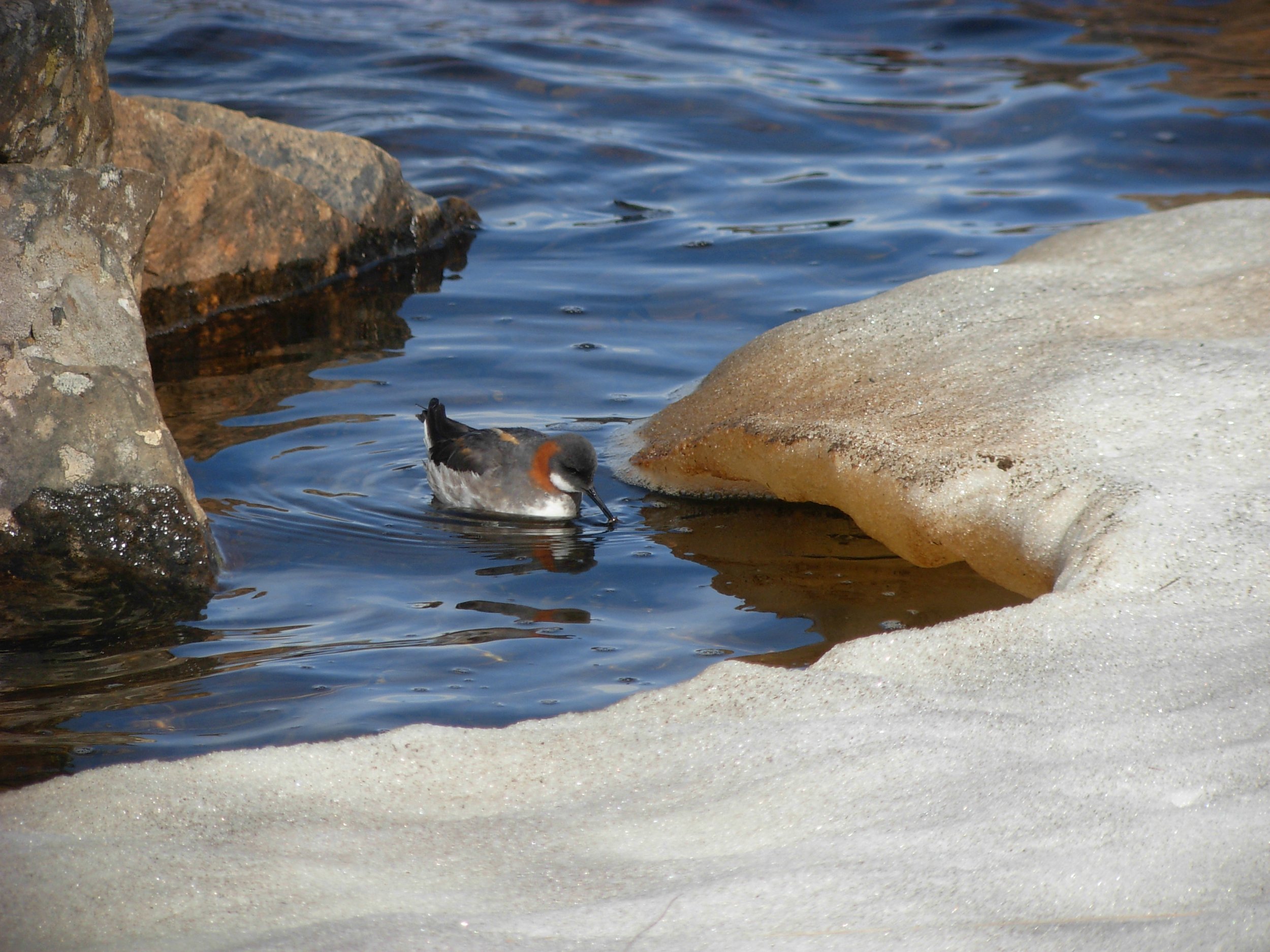
Red-necked Phalarope in breeding plumage © Richard Moores
The Contenders
The strength of this year's shortlist demonstrates just how remarkable a year it has been for BiOME birders.
Dotterel, East Yorkshire
Found by Josh Fusiara
One of Britain's most charismatic passage migrants and rarest breeders, the Dotterel remains a species capable of stopping birders in their tracks. Elegant, often confiding and always highly sought after, this fly-by East Yorkshire bird was a deserved contender and another excellent find by Josh.
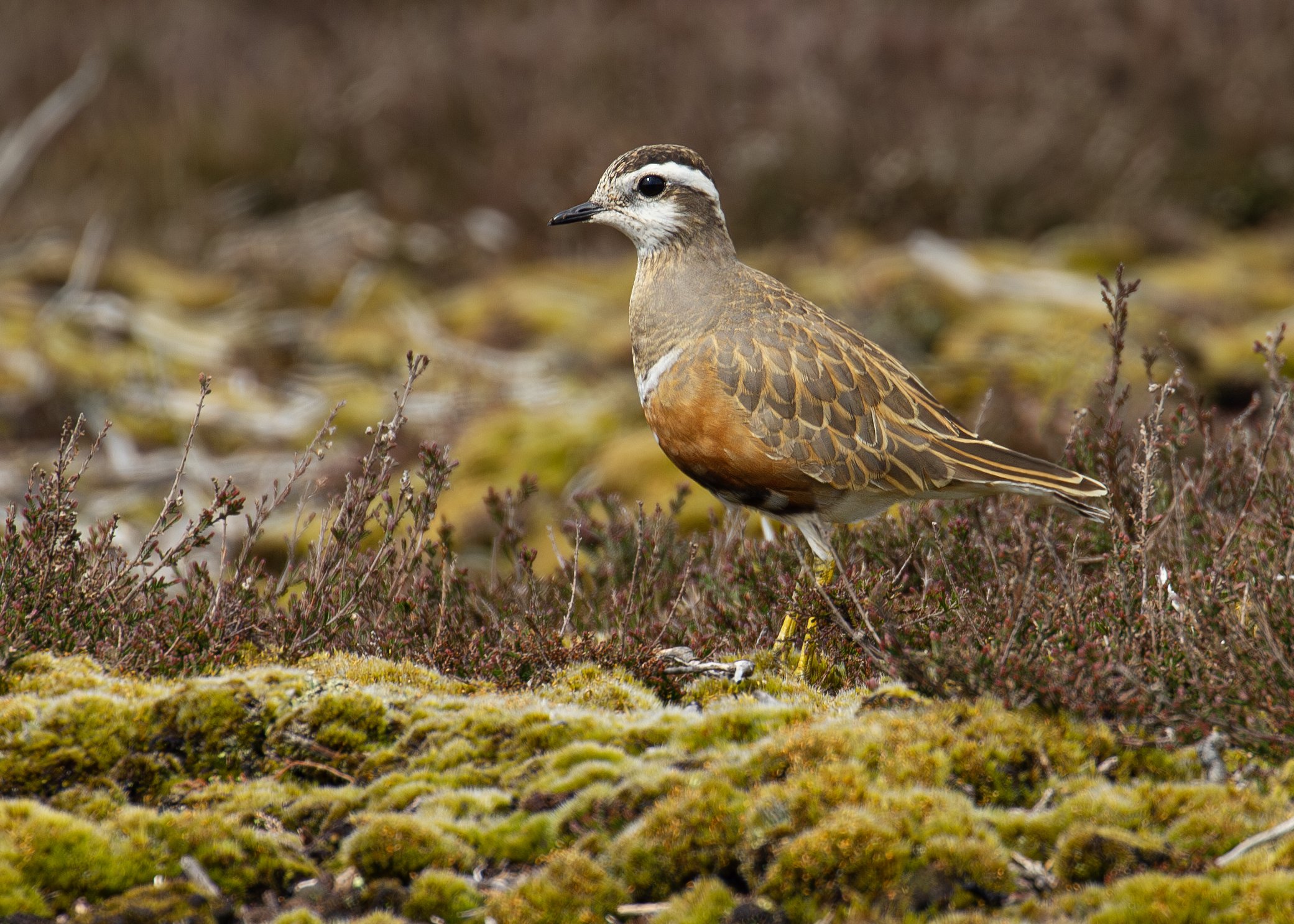
Eurasian Dotterel © Nathaniel Dargue
Wood Sandpiper, Nottinghamshire
Found by Josh Fusiara
A classic wetland passage migrant, the Wood Sandpiper brought a touch of continental migration to Nottinghamshire. Graceful and distinctive, this species is always a welcome addition to any county's annual highlights.
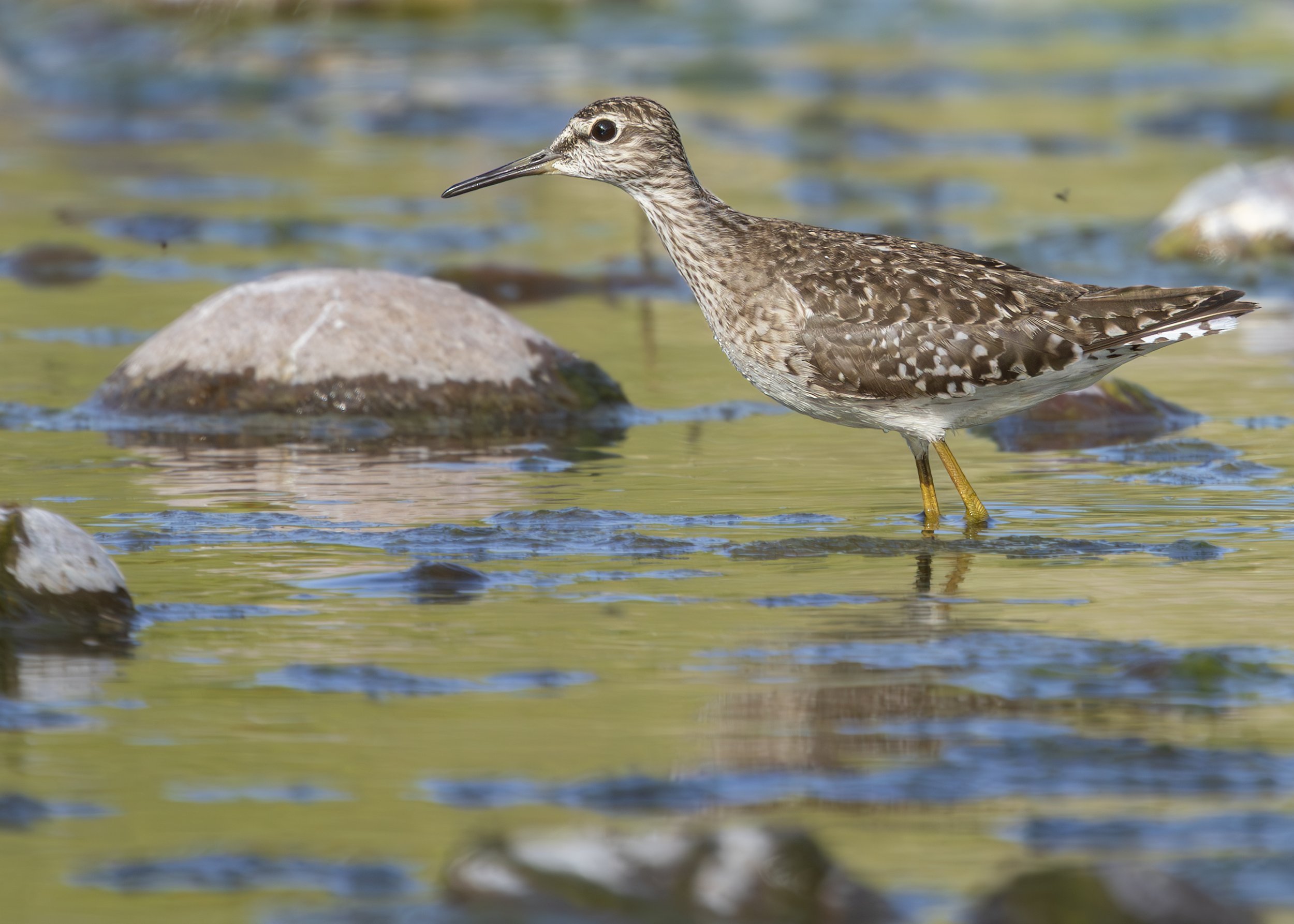
Wood Sandpiper © Nathaniel Dargue
Dartford Warbler, Kent
Found by James Grundy
A true icon of Britain's heathlands, the Dartford Warbler is a species more often associated with the lowland heaths of southern England than the county of Kent. This striking long-tailed warbler rewarded careful observation given it’s often skulky nature. Although no longer as scarce as it once was thanks to a gradual range expansion, Dartford Warblers remain a highly sought-after find and are not an expected encounter away from their core breeding sites.
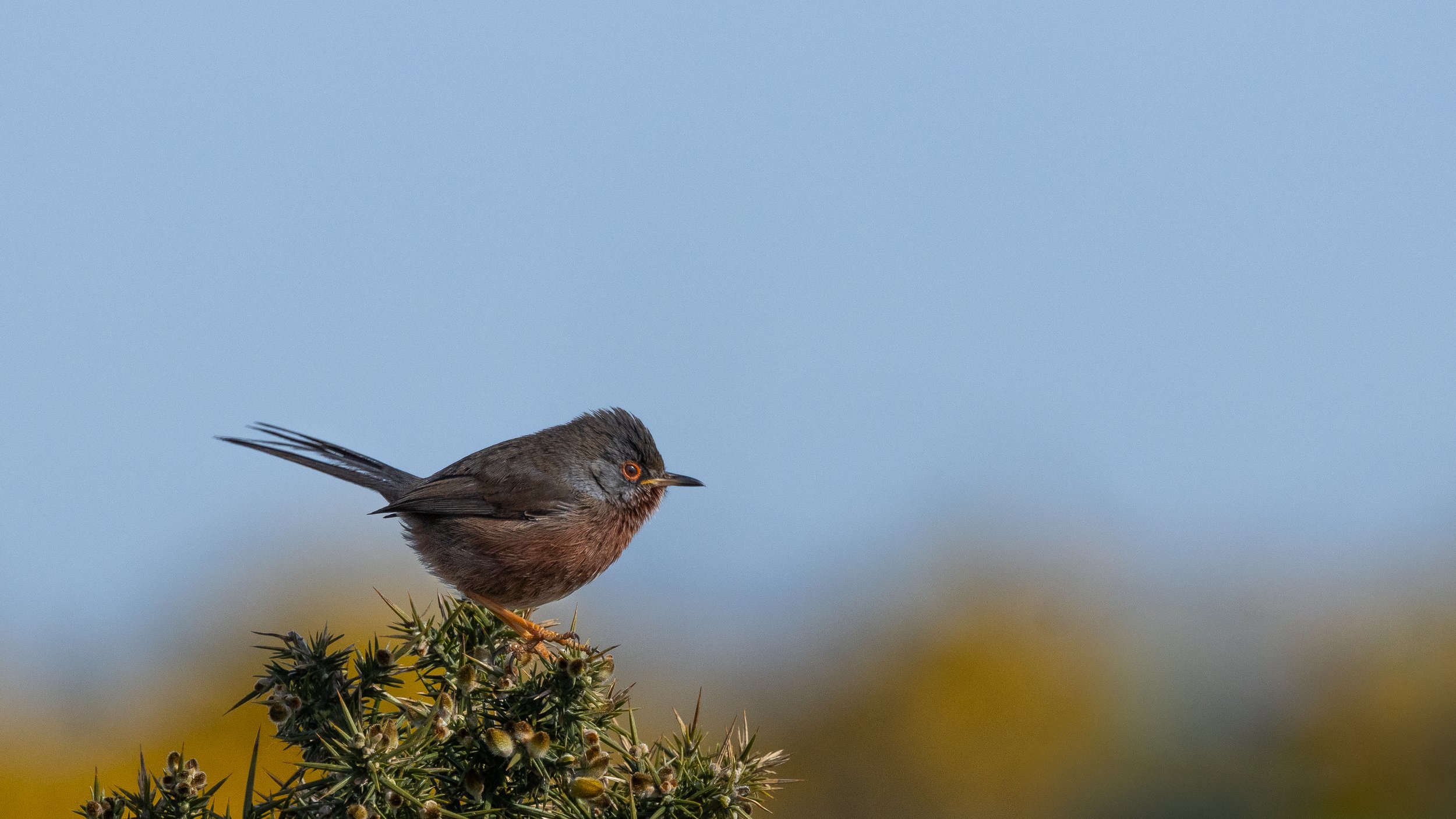
Dartford Warbler © Ollie King
Montagu's/Pallid Harrier, Norfolk
Found by Ollie King
Sometimes the challenge is not seeing the bird, but deciding exactly what it is. This intriguing Montagu's/Pallid Harrier in Norfolk created plenty of discussion and excitement, showcasing the identification challenges that make raptor watching so rewarding. Unfortunately, its fly-by was all too brief. The ringtail's pointed wings and four-fingered appearance suggested either Montagu's or Pallid Harrier, but the bird departed before a definitive identification could be secured. Either species would represent a remarkable record and this sighting rightly earns its place on the shortlist.
Richard's Pipit, Norfolk
Found by Liam Curson
A species whose call instantly raises pulse rates among British birders, Richard's Pipit is one of autumn's most desirable scarce migrants. Liam Curson's Norfolk find was a standout moment, picked up overhead by its distinctive call as it flew over and was a worthy finalist.
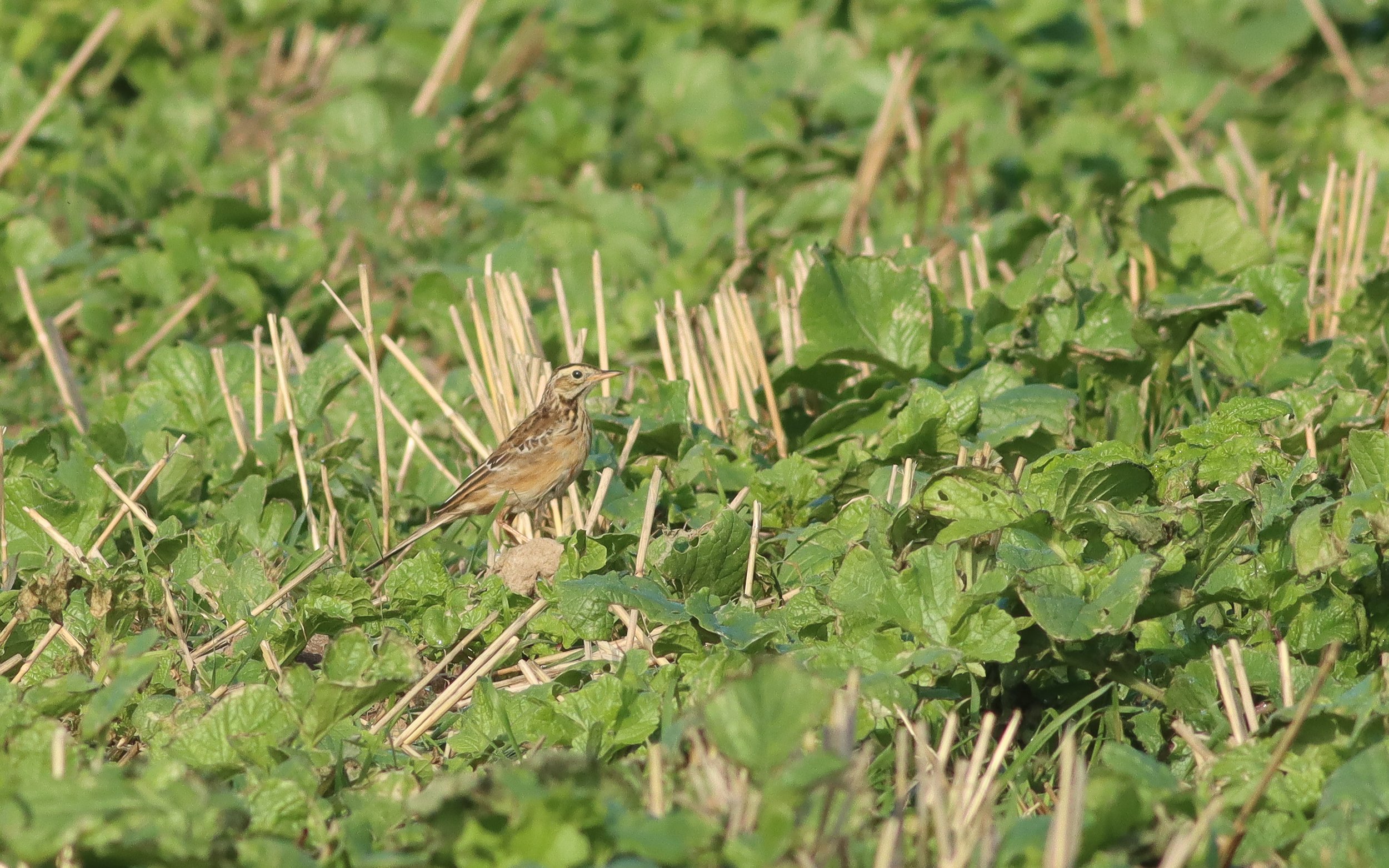
Richard’s Pipit © Ollie King
White-tailed Eagle, Norfolk
Found by Ollie King
Britain's largest bird of prey, the White-tailed Eagle is always an impressive sight, and this second-calendar-year bird provided one of the year's most memorable encounters for Ollie. Although descended from captive-released parents as part of the species' reintroduction programme, this individual was wild-born and represented another success story in the ongoing recovery of one of the UK's most iconic raptors. Massive broad wings, a powerful bill and unmistakable silhouette made for a spectacular field experience. A thrilling sighting, it was a worthy addition to this year's shortlist of contenders.
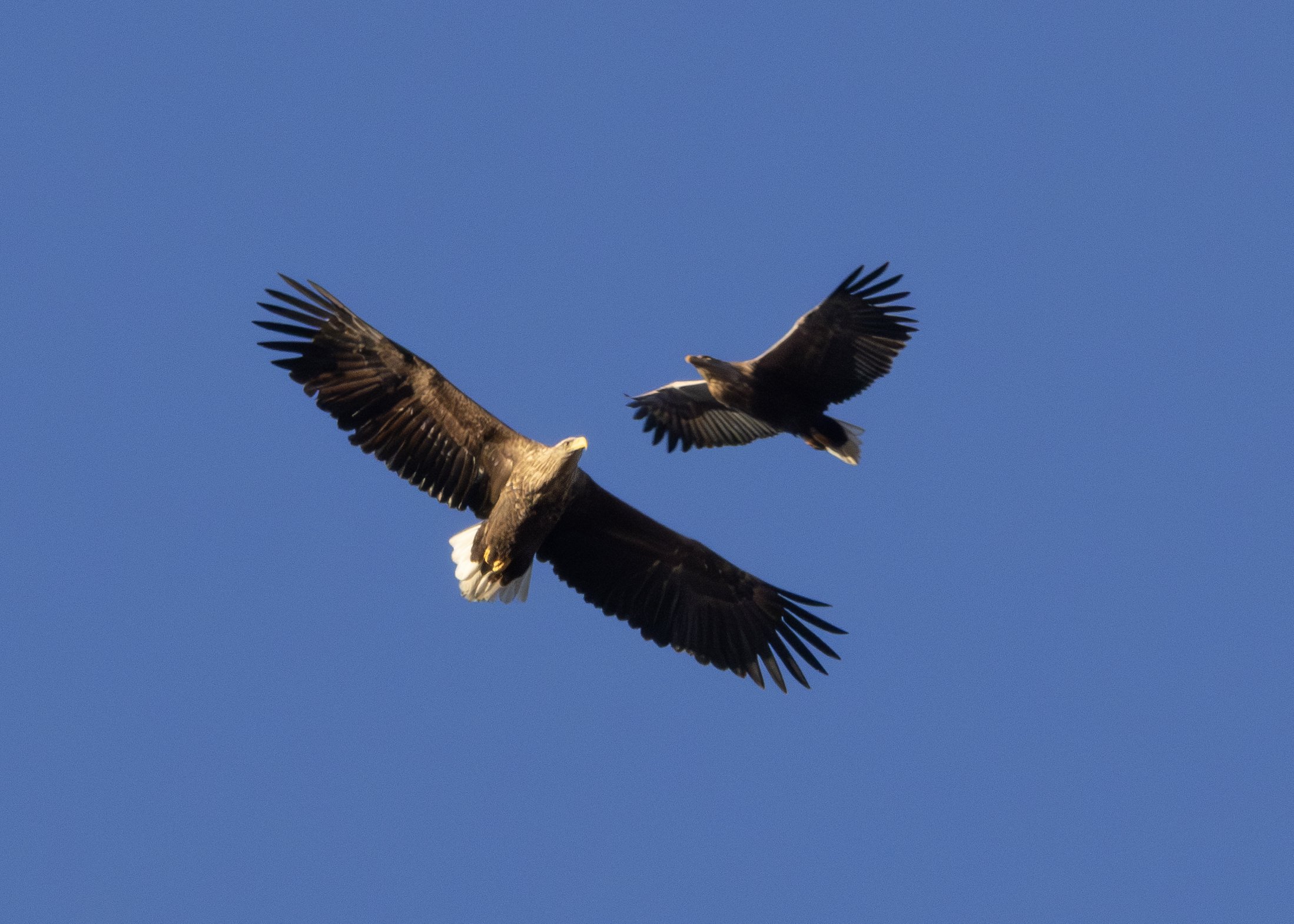
White-tailed Eagle © Nathaniel Dargue
Tundra Bean Goose, Norfolk
Found by Josh Fusiara
The next contenders were several Tundra Bean Geese in Norfolk. Mixed among thousands of Pink-footed Geese and tens of Greater White-fronted Geese, these scarce visitors required careful scrutiny to pick out from the winter flocks. Their discovery rounded off an exceptionally strong shortlist.
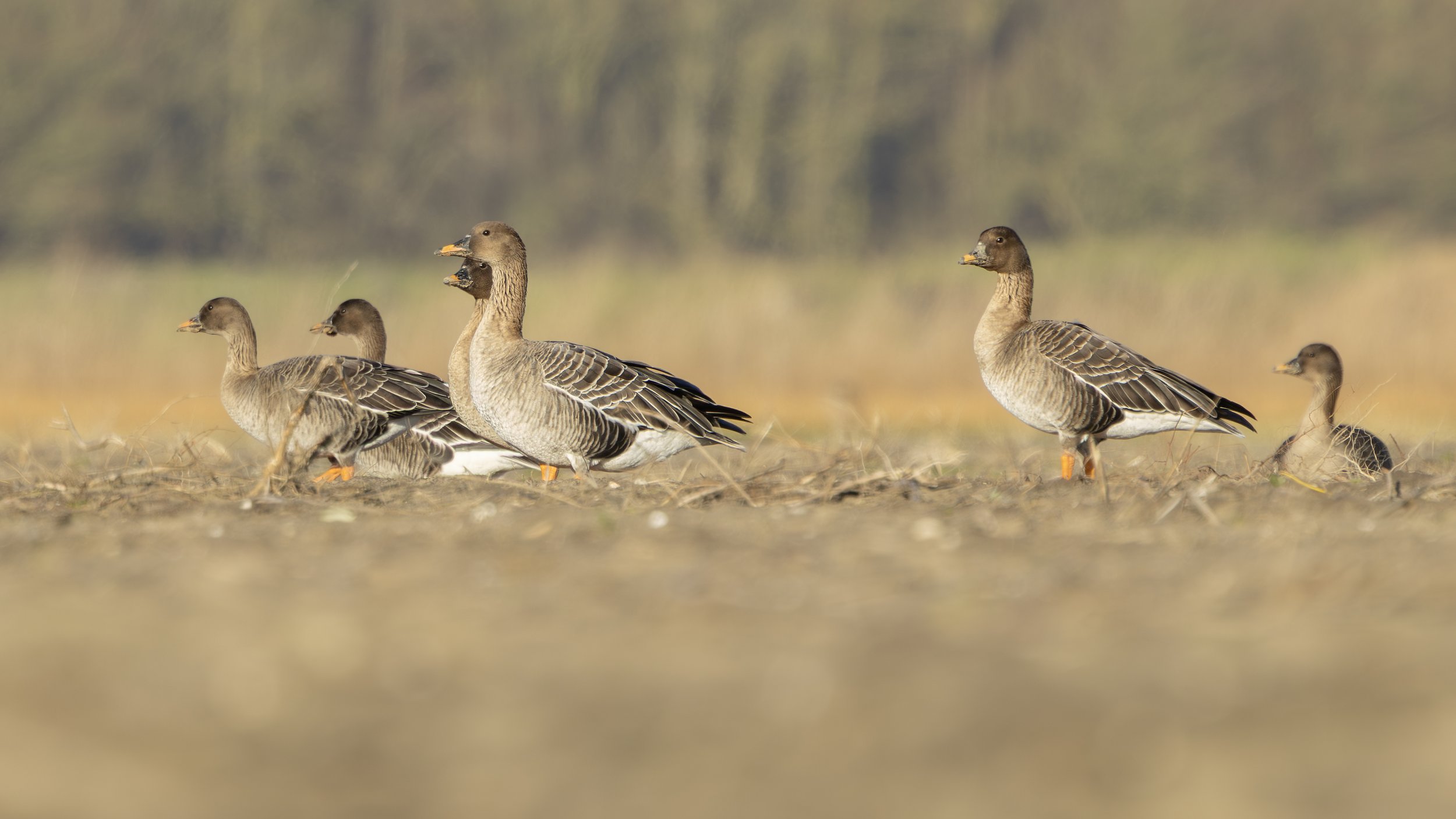
Tundra Bean Geese © Nathaniel Dargue
Spoonbill, Lincolnshire
Found by Josh Fusiara
Once a genuine rarity in Britain, Spoonbills have become an increasingly familiar success story for conservation. Even so, encountering one outside their core breeding range remains a memorable experience, and this North Lincolnshire bird earned its place on the shortlist.
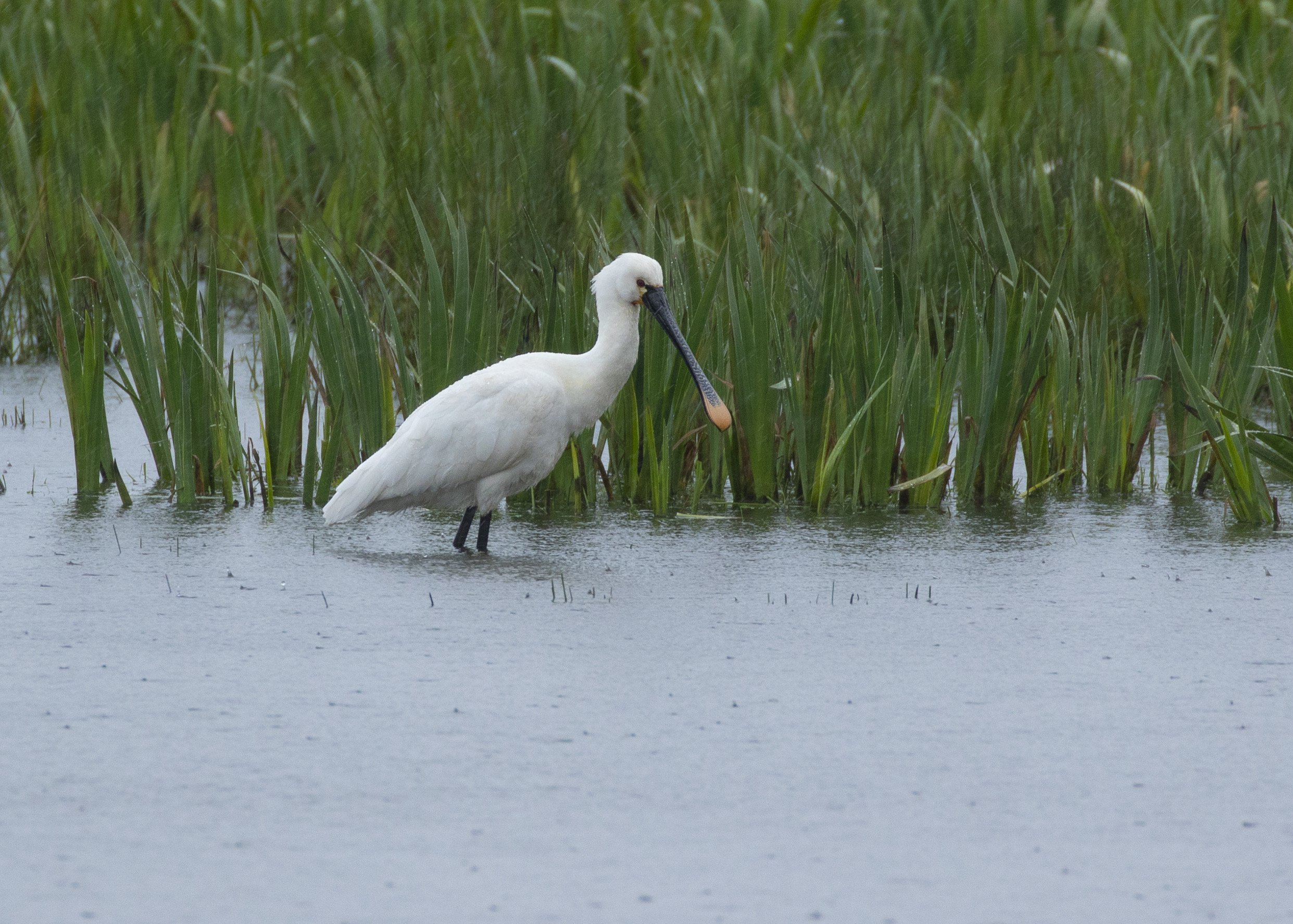
Eurasian Spoonbill © Nathaniel Dargue
A Year to Remember
The 2026 shortlist reflects an outstanding year of birding from the BiOME team, with wetlands, moorland and farmland all producing memorable moments. Particular congratulations go to Josh Fusiara, whose exceptional year yielded not only the winning bird but four of the eight shortlisted contenders.
Special recognition is also due to James Grundy, Ollie King and Liam Curson, whose discoveries added further quality and variety to an already impressive field.
As always, the true value of these sightings extends beyond the species themselves. Every contender represents early mornings, long journeys, careful observation and the shared excitement that makes birding such a rewarding pursuit.
Congratulations to all involved, and especially to Josh Fusiara and the Red-necked Phalarope, the BiOME Bird of the Year 2026. Here's to an even bigger and better 2027.
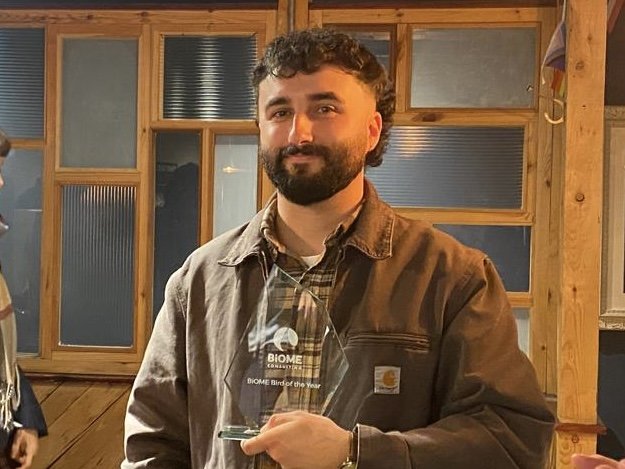
Josh Fusiara receiving the BiOME Bird of the Year trophy