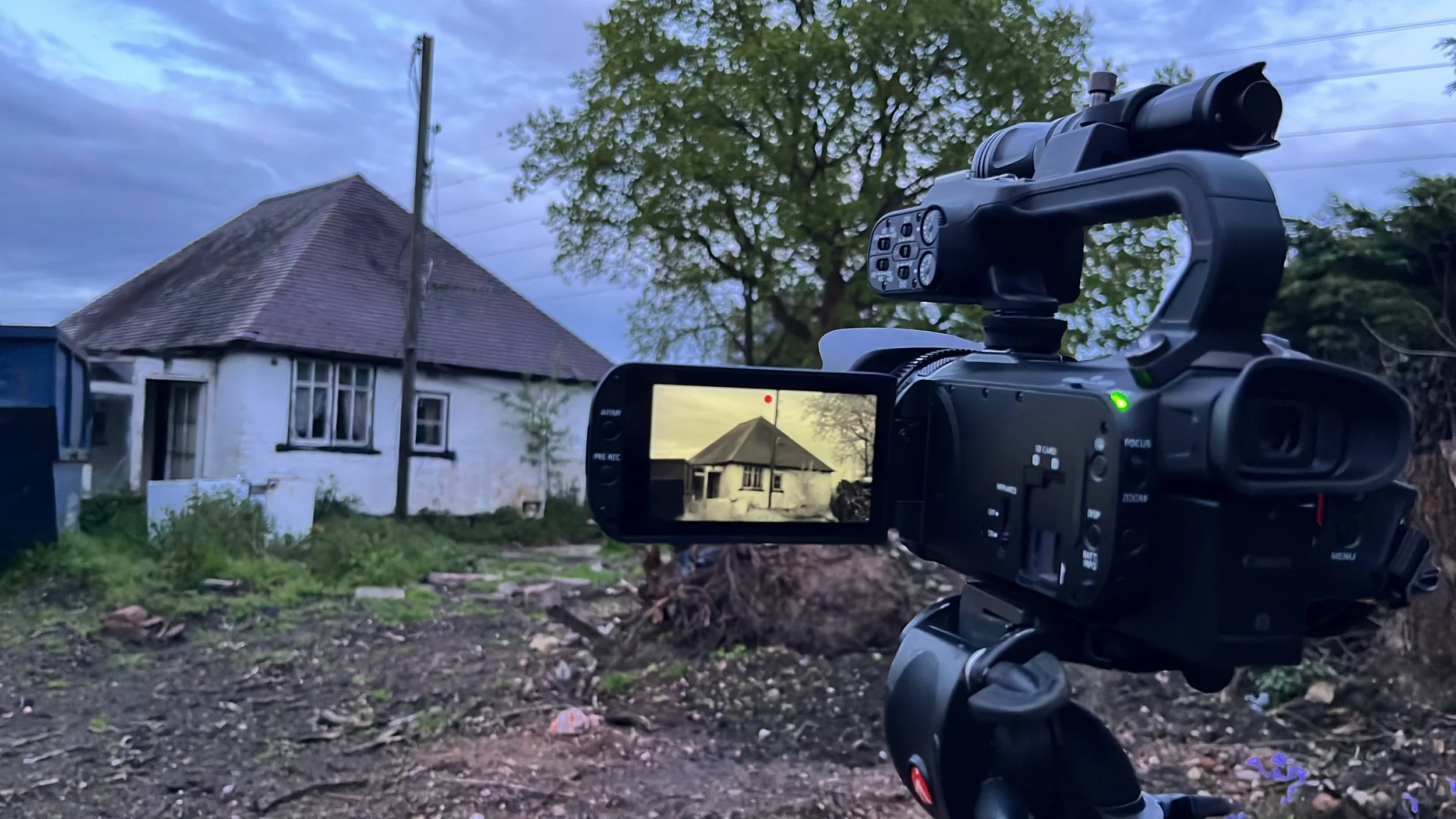
With the turning of the seasons and an increase in activity amongst all our hibernating mammals, the beginning of May marks the beginning of the optimal period for emergence/re-entry bat surveys. Owing to their legally protected status (at a European and national level), and habitual use of human habitations for roosting, bat surveys are a material planning consideration and assessment is there often an essential component of the ecological surveys necessary to inform planning applications for small-scale development. In this blog, we summarise the legal status given to bats, the typical surveys required to inform planning, and solutions available where roosts are present to enable the legal completion of small-scale development projects where roosting bats will be impacted.
Legal Protection
All British bat species are fully protected, at both national and European levels, through their inclusion in Schedule 5 of the Wildlife and Countryside Act 1981 and in Schedule 2 of the Conservation of Habitat and Species Regulations 2010. This makes it an offence to harm or kill individual bats, and offers legal protection to any structure or resting place occupied by bats such that it is illegal to recklessly damage, destroy or obstruct access to any areas where bats dwell. Deliberately or recklessly disturbing a bat, particularly in a roost, is also an offence.
Breaking these laws can result in criminal penalties, including significant fines and custodial sentence.
Survey Methods to Inform Small-Scale Development Projects
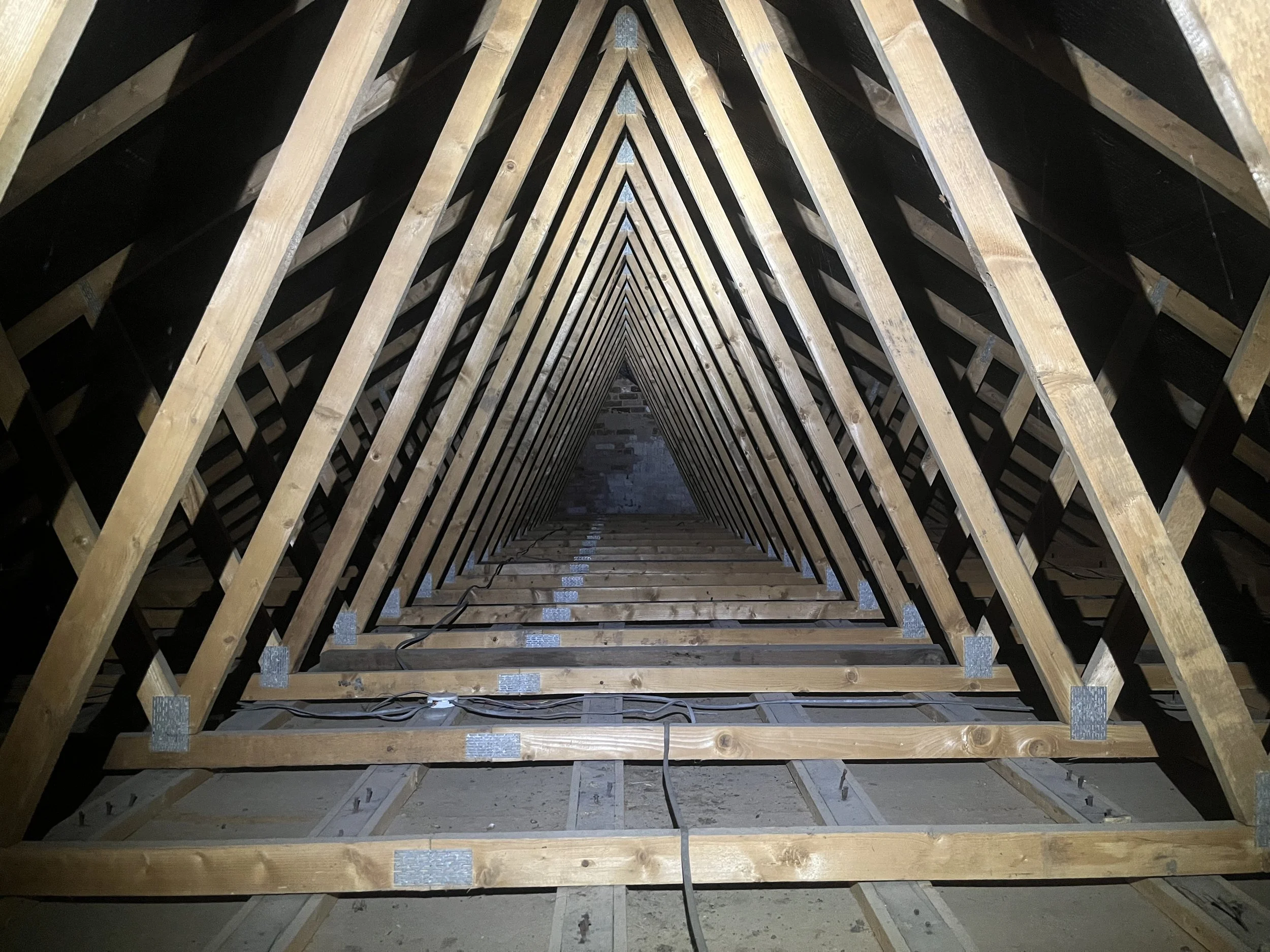
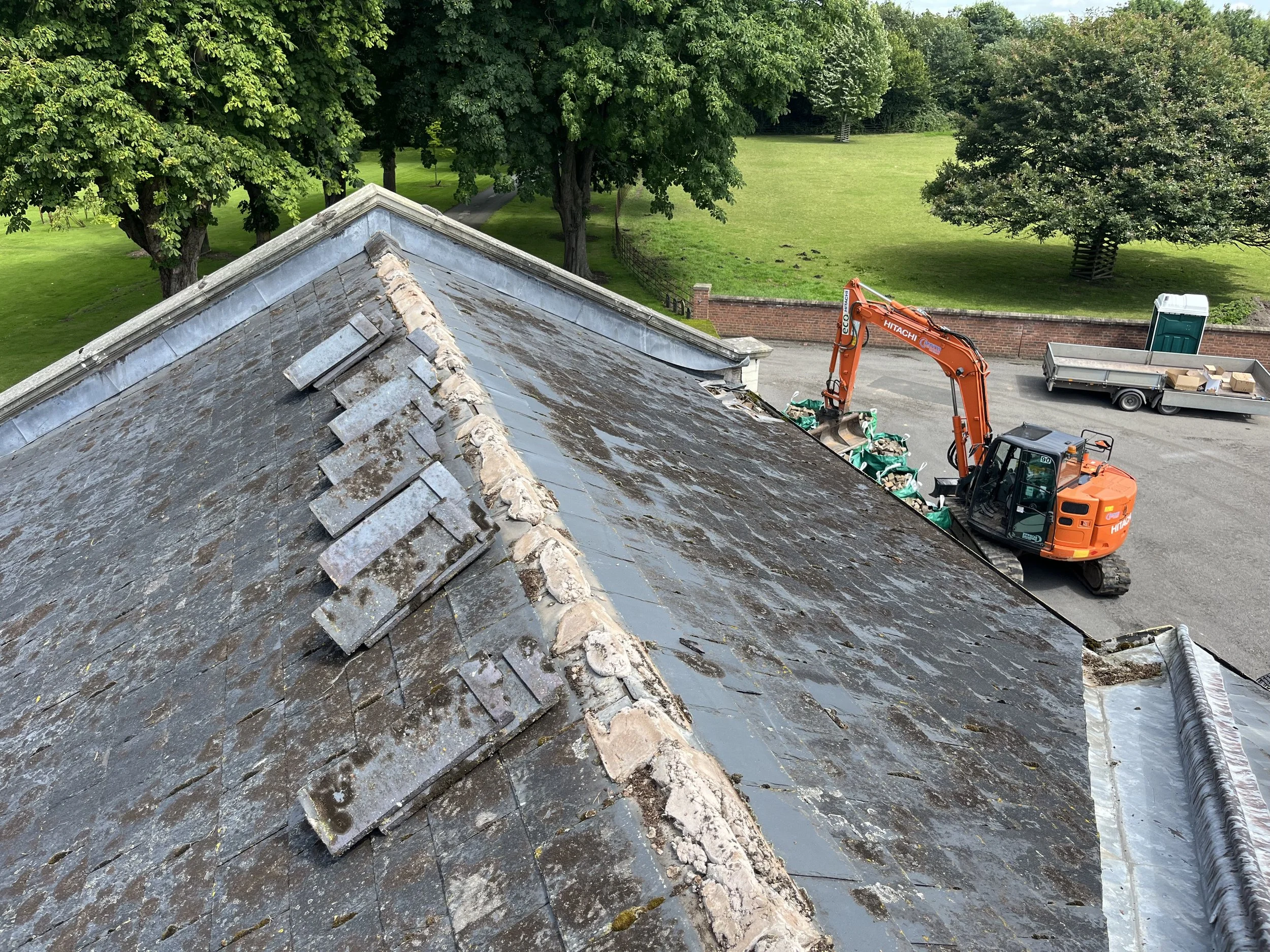
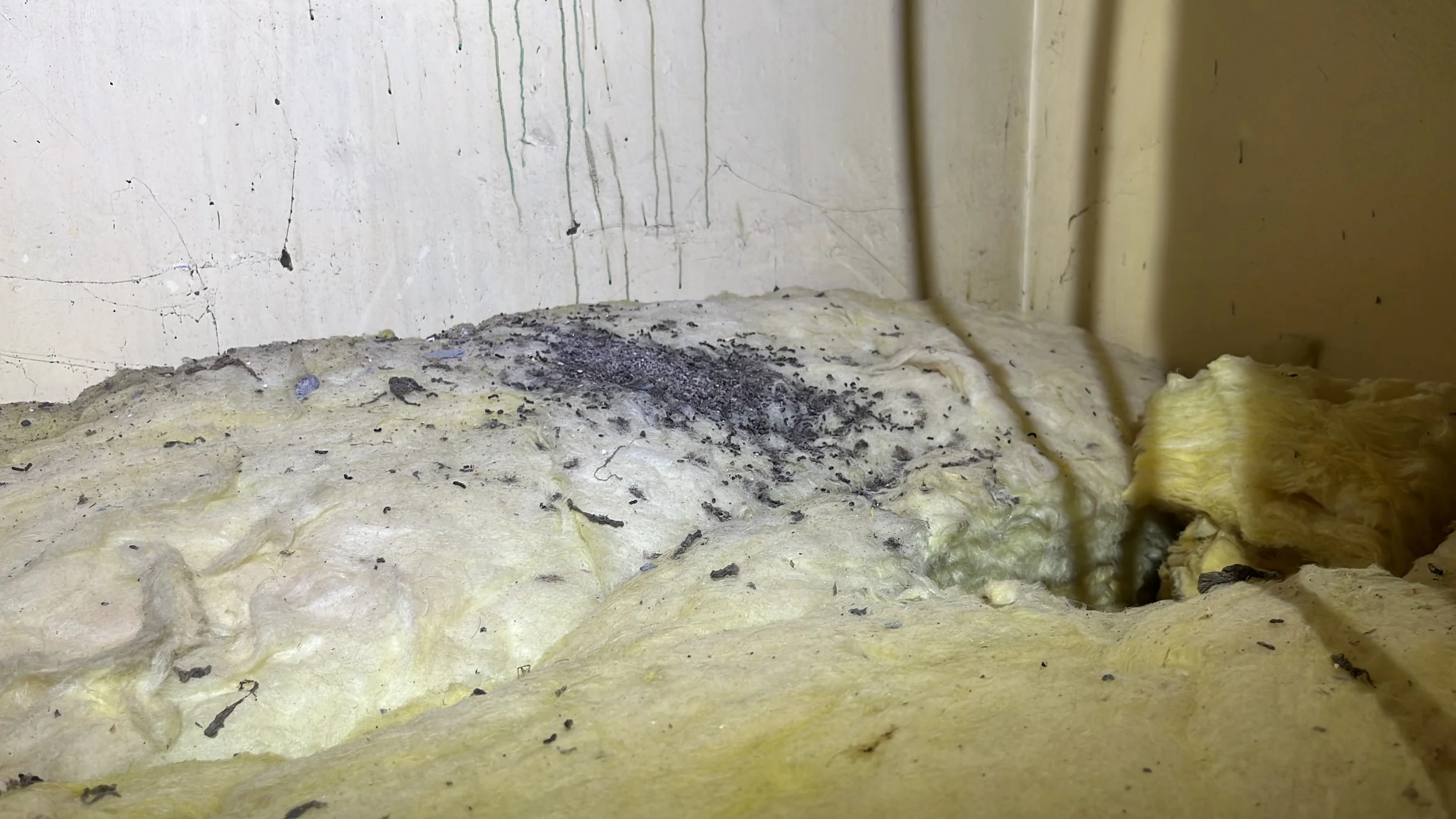
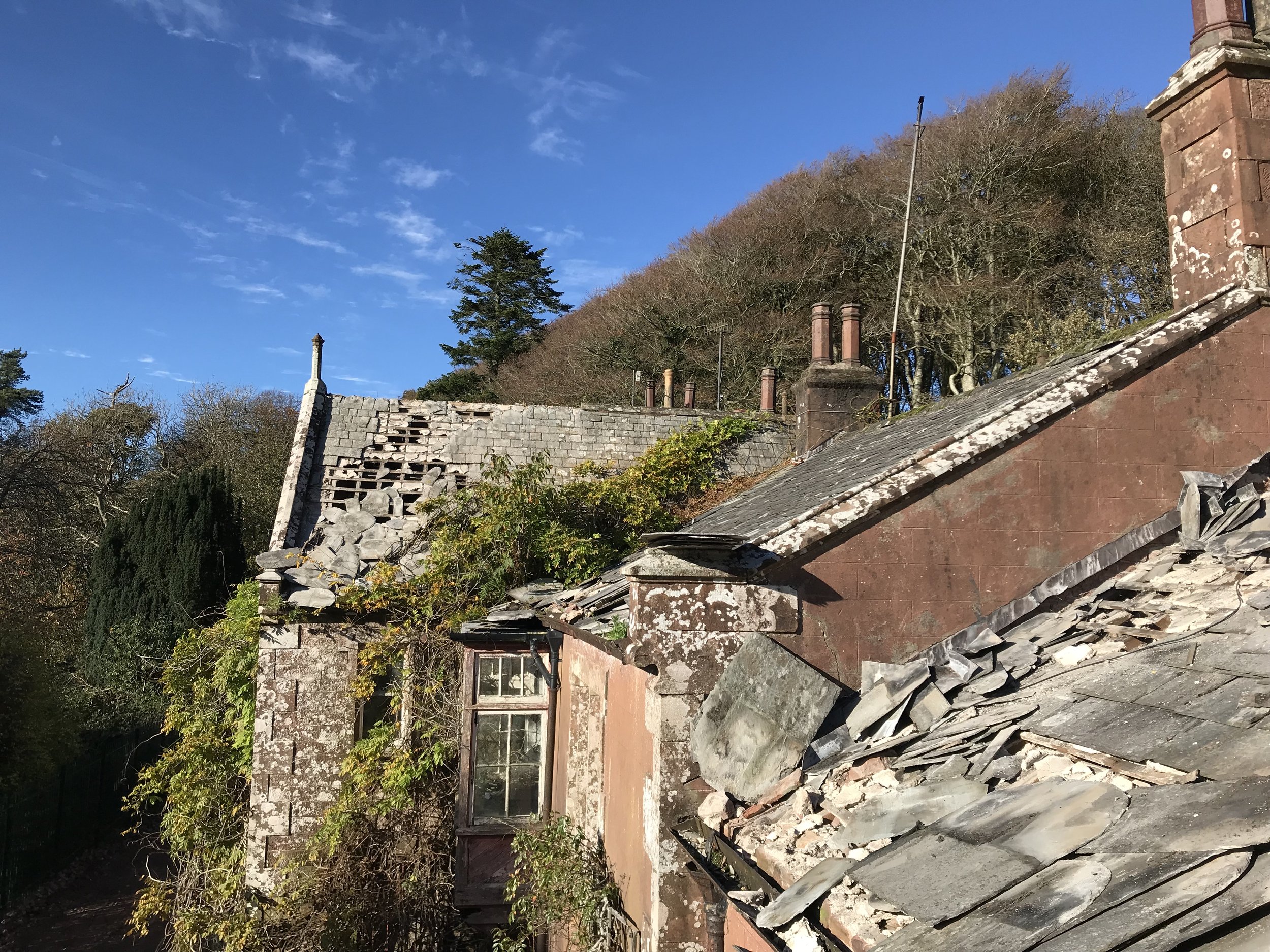
Bat surveys for small-scale development projects follows a phased approach. The first step is a Preliminary Roost Assessment (PRA); this is a diurnal survey during which a Suitably Qualified Ecologist (SQE) (see key references) will visit the site, looking for both evidence of roosting bat presence, and Potential Roost Features (PRF) in areas of direct impacts, and in areas where disturbance impacts are possible. Typically encountered PRFs include gaps in mortar and slipped/missing roof tiles (although a large variety of PRFs are utilised), which allow bats access to sheltered roost sites in a building/structure. This inspection is facilitated using various items, varying by circumstance but typically including ladders, binoculars, a high-powered torch, endoscope, small dental mirrors and a drone to inspect accessible PRFs. A PRA can be completed at any time of year and must be completed (if there is a reasonable likelihood of bat disturbance) by a licenced bat worker.
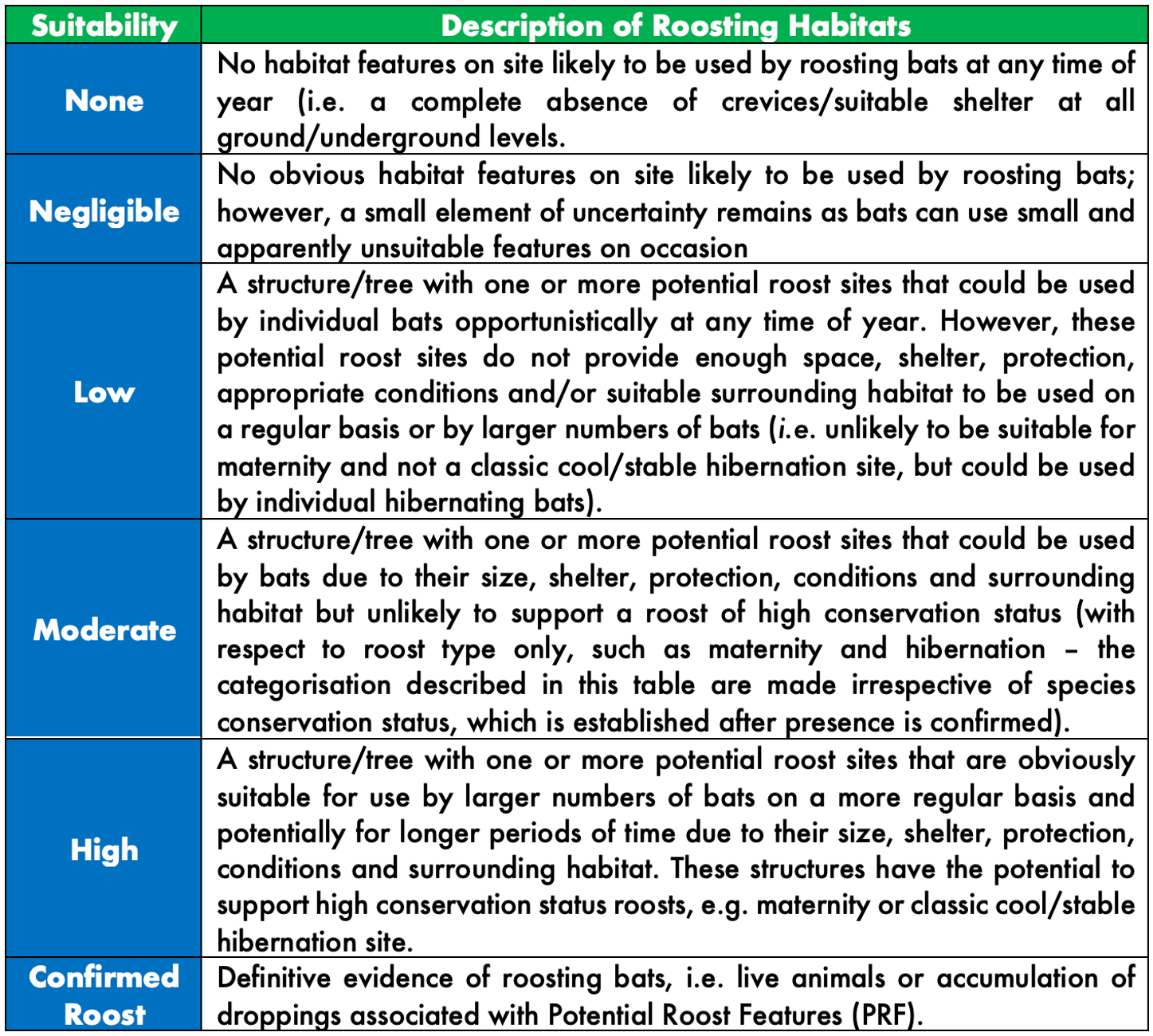
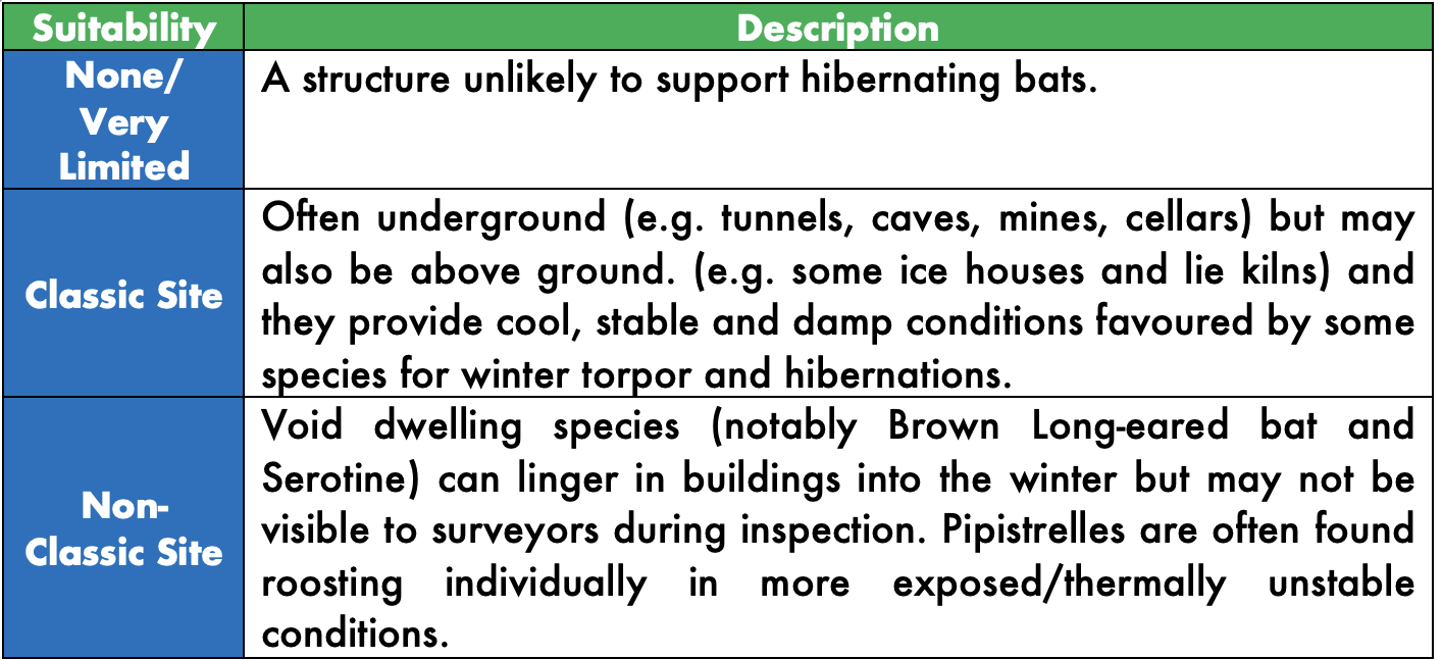
After inspection of the interior and exterior of a building/structure, an experienced bat surveyor can assess (in line with the tables below) the likelihood that the building/structure supports roosting and/or hibernating bats, and the results of this PRA will inform the next steps taken prior to a planning application. If a building/structure is deemed unlikely to support roosting bats (‘None’ or ‘Negligible’ bat roost potential), no further survey work is required. If there is a reasonable or better likelihood of bat occupancy (‘Low’ / ‘Moderate’ / ‘High’ bat roost potential), a minimum of one (Low) two (Moderate) or three (High) dusk ‘emergence’ survey/s are required to check for bats emerging from roost/s, and to determine the species using the site, will be required as a next step.
Emergence surveys can only be completed during the period during which bats are active, defined by the guidance as May to September, with at least one survey before the end of August. If more than one survey is required there must be a gap of at least three weeks between surveys and all surveys must be completed during suitable weather conditions.
Emergence Surveys involve observation of all PRFs for up to two hours from sunset using various aids (InfraRed Cameras and bat detectors as a minimum), to determine presence/likely absence of roosts and if present species and numbers. These data are then compiled and the roost type is determined.
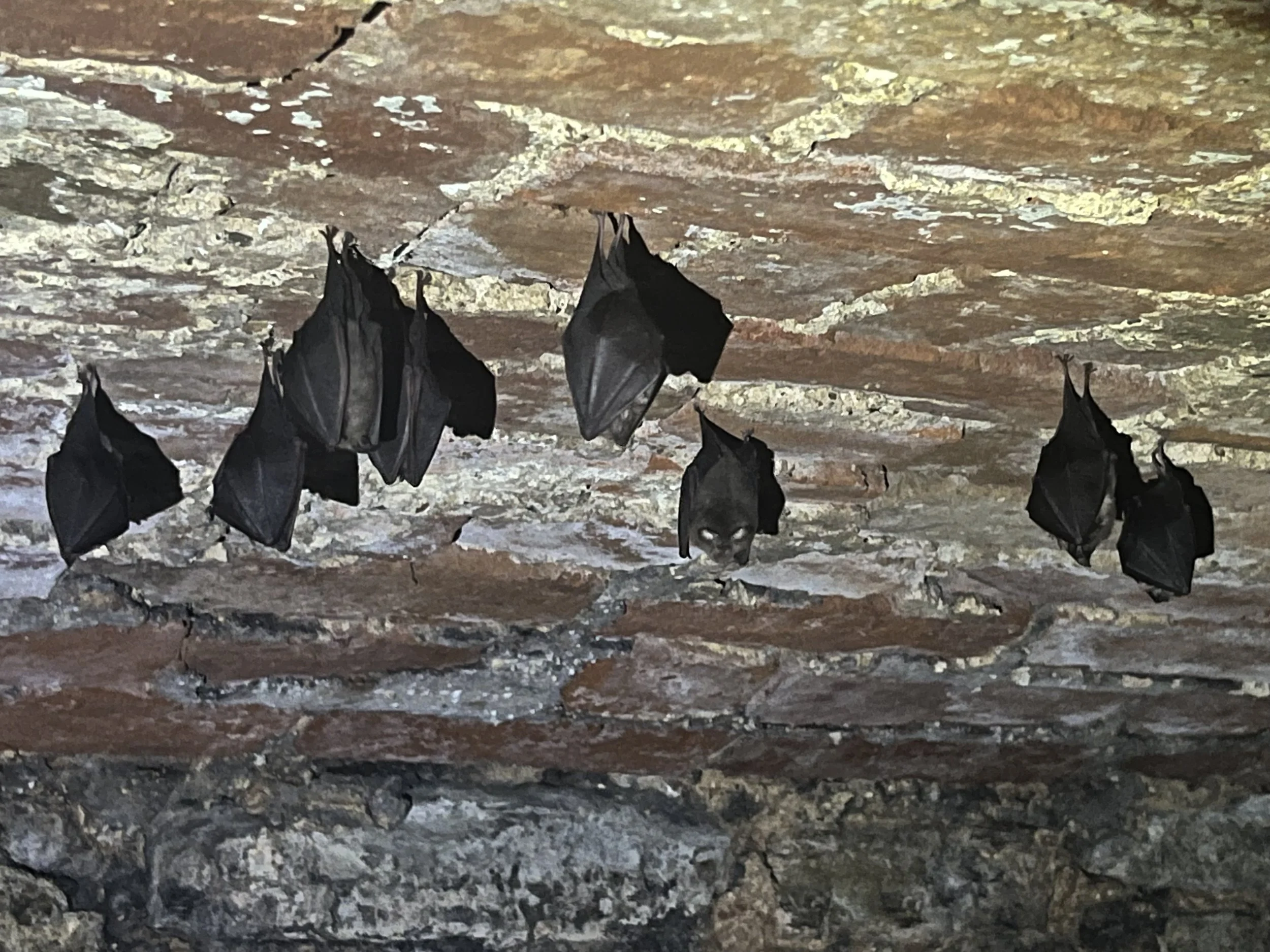
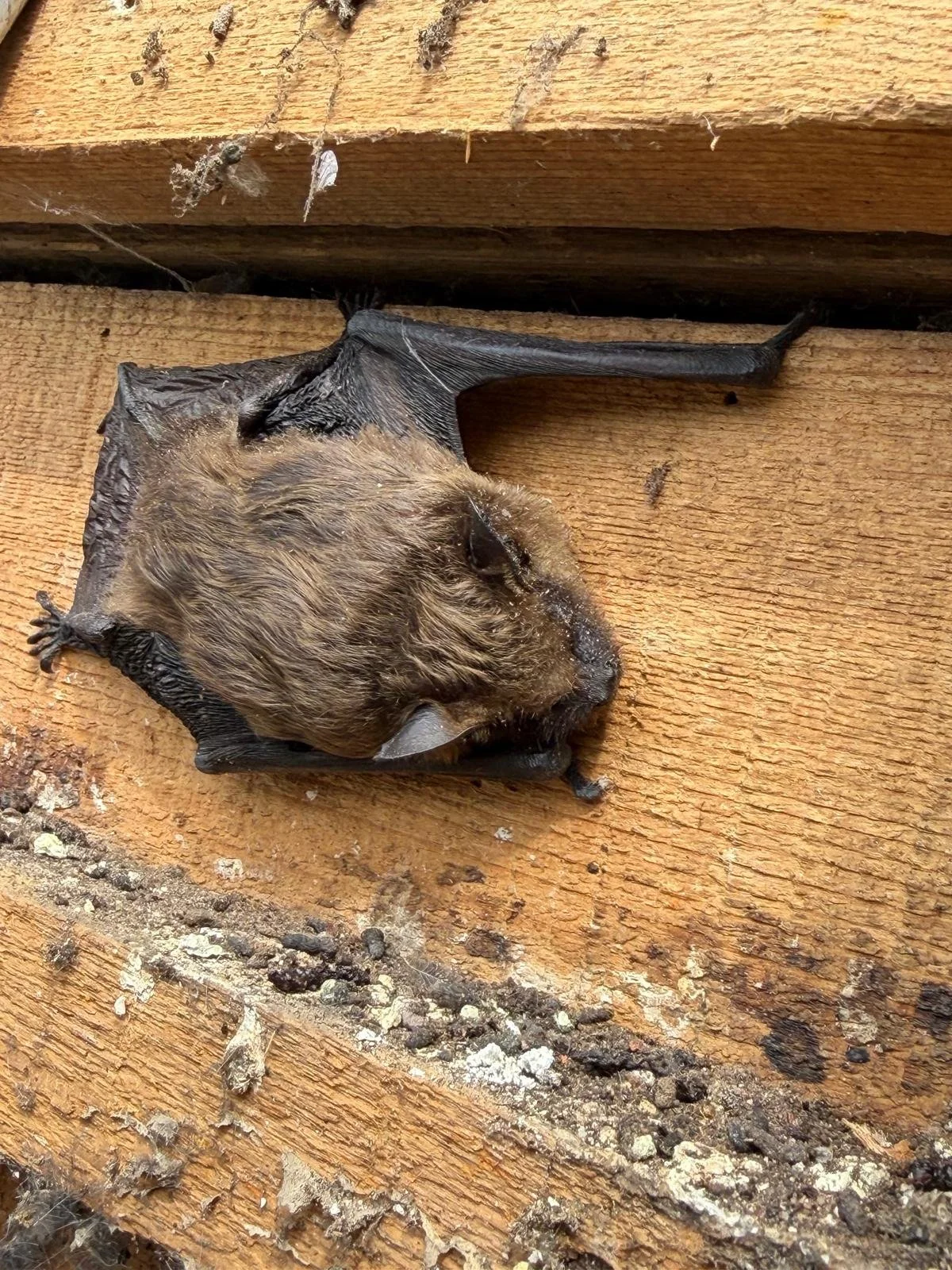
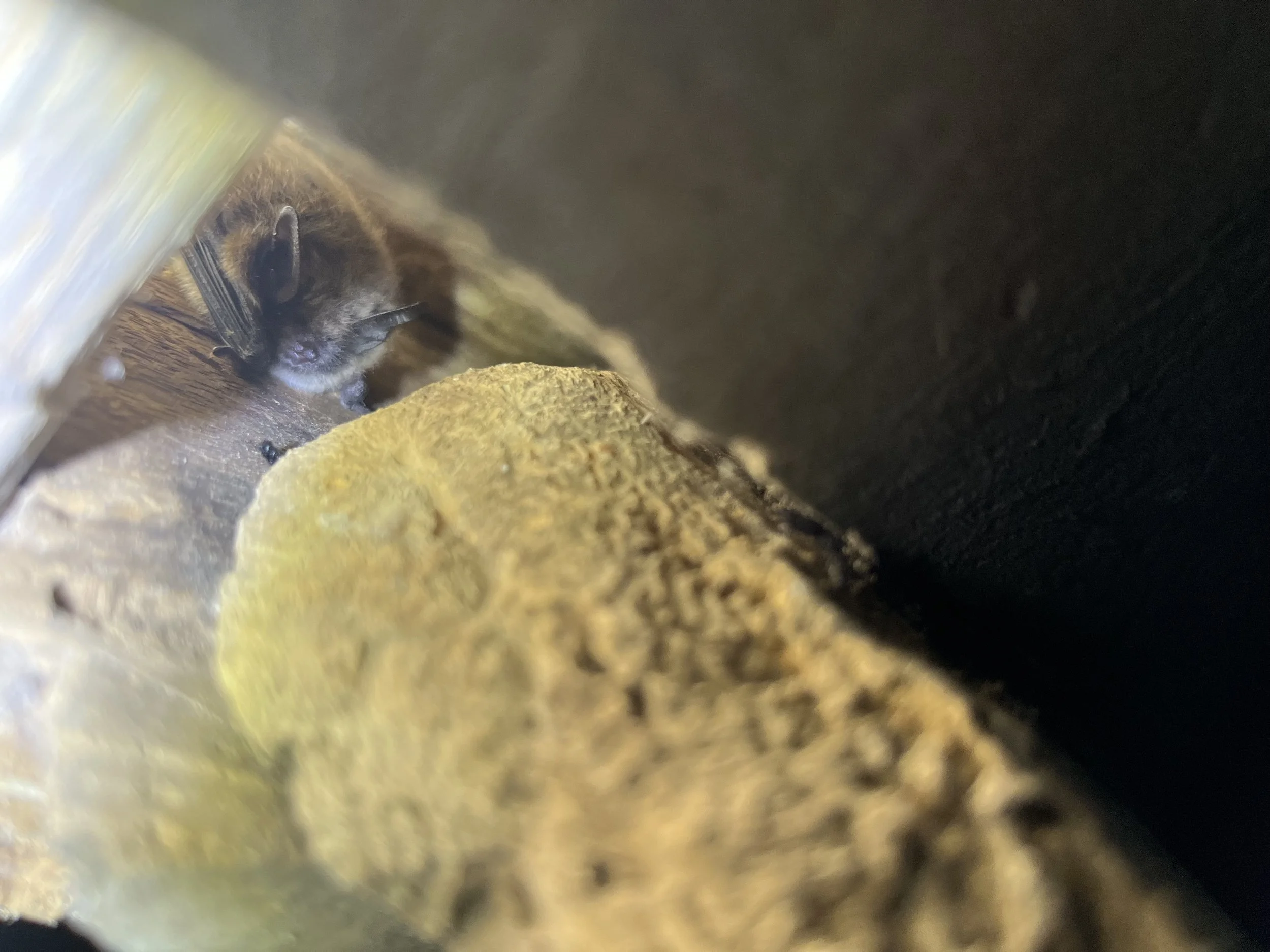
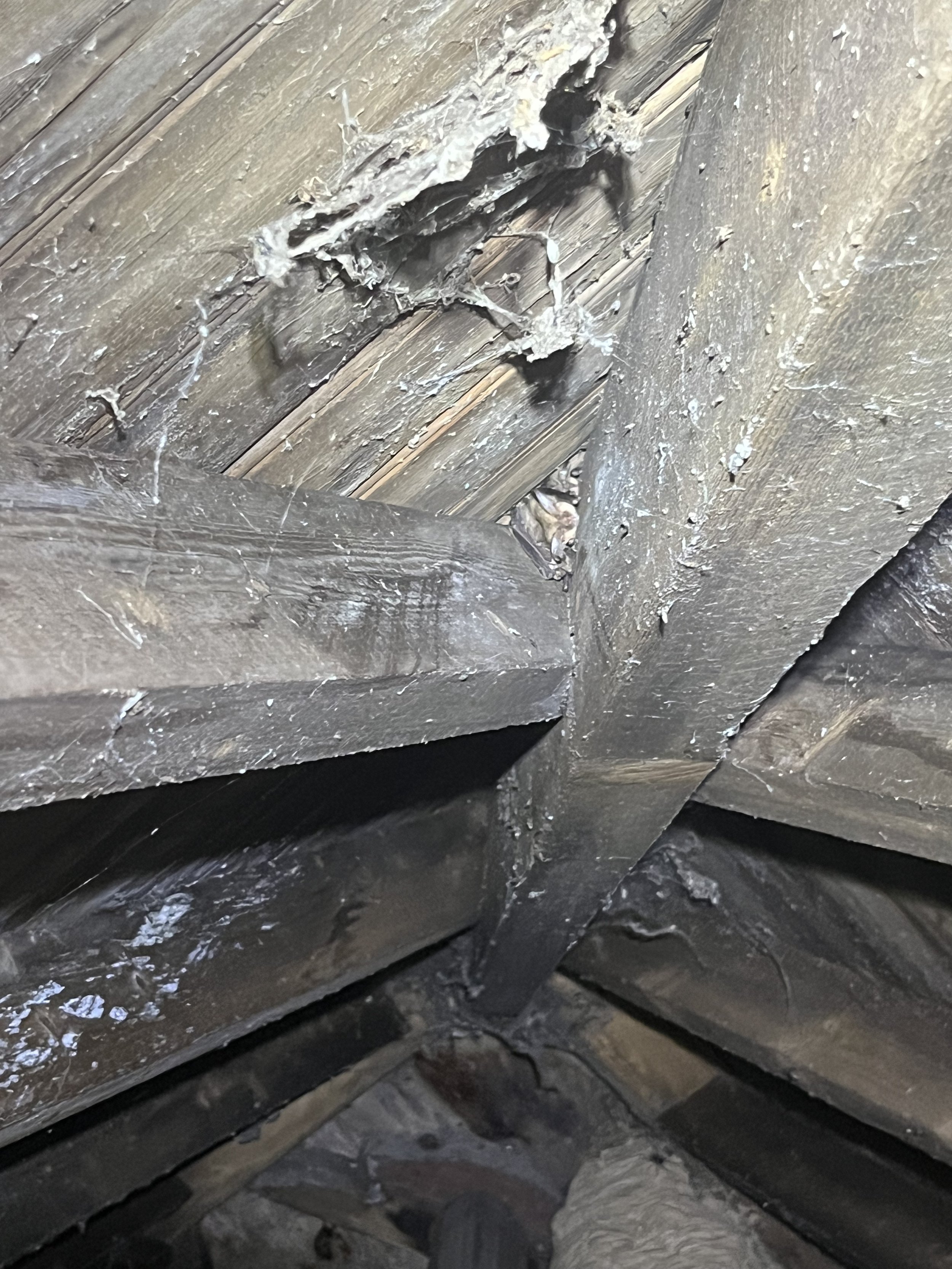
Hibernation Surveys assess the presence/likely absence of bats during the hibernation period and if present aim to determine species/numbers. To achieve this, typically two surveys, spread one month apart during the coldest months of the year, are completed. Surveys involve a close and systematic inspection of all cracks, crevices and voids for hibernating bats using torches, mirrors and endoscopes. With the exception of the horseshoe bats, which usually hang freely from the walls and ceilings of hibernacula, hibernating vesper bat species are often under-recorded because they crawl deep into crevices and can be difficult to find. Although their presence is sometimes given away by droppings or oil staining around cracks and crevices or droppings beneath. To mitigate this limitation static bat detectors area also typically deployed within buildings/structure throughout the monitoring period.
Why can’t we just assume bats are present?
This is a common question we encounter; why commission PRAs and Emergence Surveys when we could just go straight onto mitigation and licensing (see below)?
In short, the legislation does not allow it…
Bats are a material planning consideration (see above) and as such a Local Planning Authority will not validate any applications until all information on the status of roosting/hibernating bats is known.
Furthermore, wildlife legislation requires that a licence be obtained from the competent authority where impacts to a legally protected species are anticipated. To obtain such a licence in relation to roosting/hibernating bats the species present, numbers and roost type must be known. A licence is only granted where the conservation status of roosting bats remains consistent post-development, this typically requires mitigation which must be designed on a site-specific basis based on up-to-date survey data.
Solutions if bat roosts are discovered
Once all consents for a project have been achieved a licence can be obtained from the competent authority. This licence application details the results of the surveys completed, and mitigation required to ensure bats are not harmed and their status within a site remains consistent.
The most appropriate solution for any two bat roosts is rarely the same, and will be dependent upon many factors. Some of the most pertinent are: the type of roost/s present; species and conservation status of the species present and the number of bats.
Timing of works: The majority of bat roosts are seasonal, therefore the best way to avoid harm and disturbance is to undertake works at a time that minimises disturbance. Many roosts found on small-scale developments are non-breeding summer roosts, and for these works can be undertaken at any time of year. Other common roost types and the optimum months for undertaking work are: maternity roosts (September to April); Hibernation (April to October); and Mating or Swarming roosts (mid-November to March). However it should be noted these timings are only a general guideline, and will vary with the different climates in different parts of the UK (and potentially with climate change in years to come).
Mitigating and compensating for lost roosts: The best-case scenario is to create the same roost, in the same place, with a minimal loss of functionality for the bats. For roosts that contain common species in low numbers, particularly small-scale developments in residential areas, the provision of bat boxes in the surrounding area is generally regarded as a proportionate compensation for habitat loss. For roosts of higher ecological significance, other practical measures can be taken. Many refurbishments can incorporate existing roosts into the final structure, which is strongly preferred where possible. If this is not possible, there are options for roost site creation which will compensate for and enhance the site for bats. It is vital that experienced ecologists are consulted for the design of newly created roosts, ensuring that all the features that made the old roost suitable for bats (such as its physical characteristics, arrangement of entrances and flight lines) are incorporated into the new design.
You’re in Safe Hands
BiOME have been the lead Ecological Consultants for many hundreds of small-scale developments projects over the course of the last 12 years. We have industry-leading expertise in all recommended survey methodologies, detailed understanding of the needs of our clients, and can provide expert guidance and support with licencing and the mitigation/compensation that is necessary if roosting bats are discovered and will be impacted by your project.
We are here to help guide you through the process every step of the way, and understand all the issues you may face.
BiOMEs lead bat ecologist (Richard Moores, Principal) has worked as a consultant bat ecologist for over 20 years and is a Registered Consultant under both the Earned Recognition and the Bat Mitigation Class Licence (BMCL) schemes, and has obtained, as Named Ecologist, in excess of 250 Natural England/Natural Resources Wales (NRW) mitigation licences for a wide variety of projects and species/roost types. Richard is supported by other licenced and highly experienced bat ecologists within BiOME.
This expertise, gained through many years of experience, ensures that the surveys and assessments completed to inform your project are compliant with all requirements and that mitigation is appropriate and proportionate maximising the likelihood of a positive planning outcome.
Key References
GOV.UK (2025). Guidance. Bats: advice for making planning decisions (available at: https://www.gov.uk/guidance/determining-a-planning-application)
Collins, J. (ed.) (2023). Bat Surveys for Professional Ecologists: Good Practice Guidelines (4th edition). The Bat Conservation Trust, London
Reason, P.F. and Wray, S. (2023). UK Bat Mitigation Guidelines: a guide to impact assessment, mitigation and compensation for developments affecting bats. Chartered Institute of Ecology and Environmental Management, Ampfield.
CIEEM. Technical Guidance Series. Competency for Species Surveys: Bats (available at: https://cieem.net/wp-content/uploads/2019/02/CSS-BATS-April-2013.pdf