The recent spells of hot weather have been a challenge for our surveyors.
Our ecologists continue to complete surveys for small-scale development projects, which includes detailed assessment of enclosed roof voids to determine presence/likely absence of roosting bats. The extreme heat, combined with cobwebs is particularly unpleasant!
Our ornithologists persist with Breeding Bird Surveys, including walkovers and Vantage Point surveys. Sessions of up to three hours sat in the baking sun can lead fatigue and potentially to illness, if the health and safety risks are not managed appropriately.
However, this discomfort is nothing compared to the challenges extreme heat poses to the nations wildlife…
Our resident bats are in the midst of the maternity season, with thirsty and hungry pups to care for…We are seeing instances of pups entering living areas and being dehydrated due to the extreme heat in roosts. If you encounter a bat that is in need of care contact the Bat Conservation Trust for support, who may be able to provide the support of a Voluntary Bat Roost Visitor and/or Bat Carer to help manage the situation and safeguard the bat/s and roosts present. If you are working on a development project and encounter bats, we are here to help.
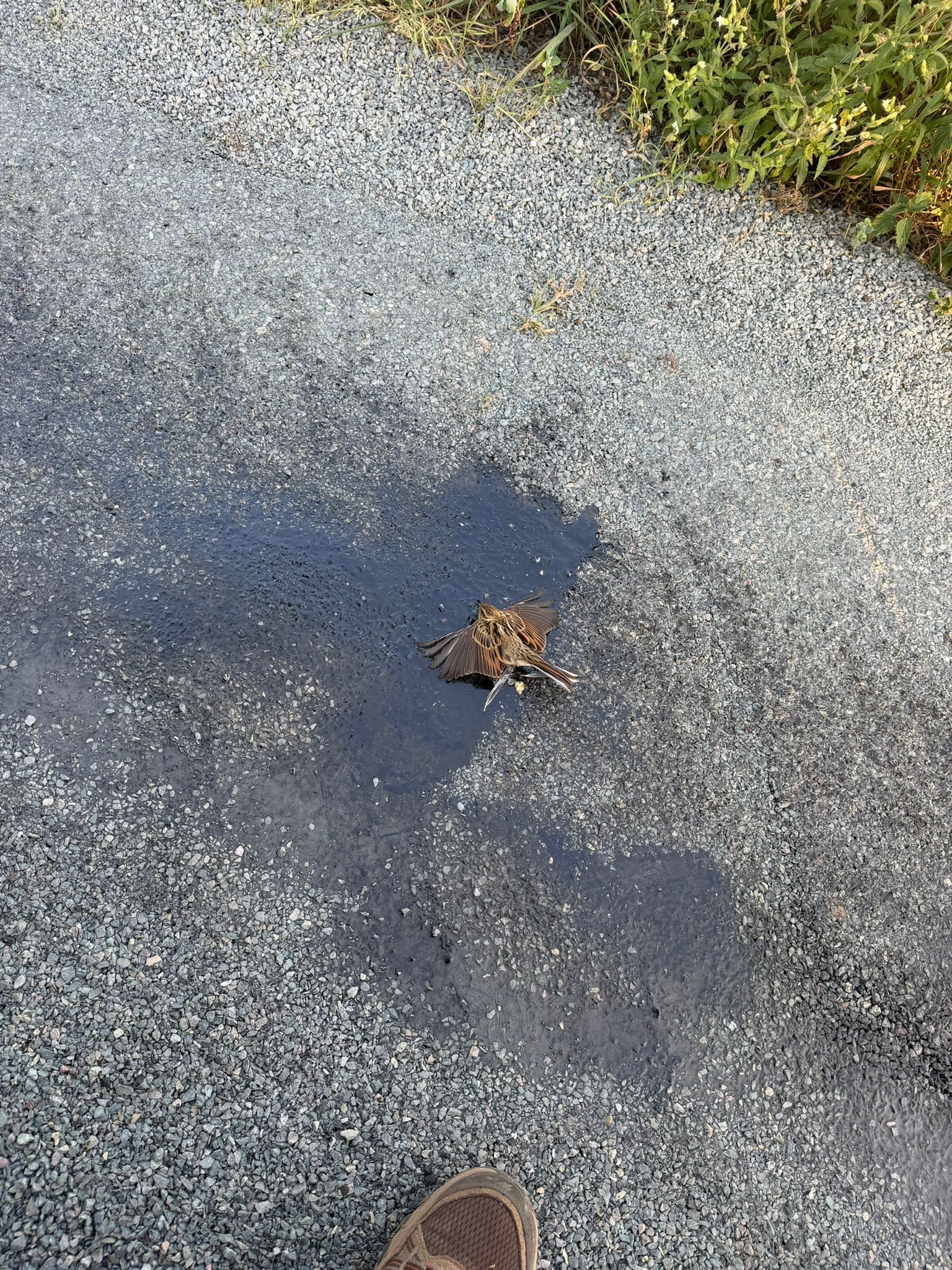
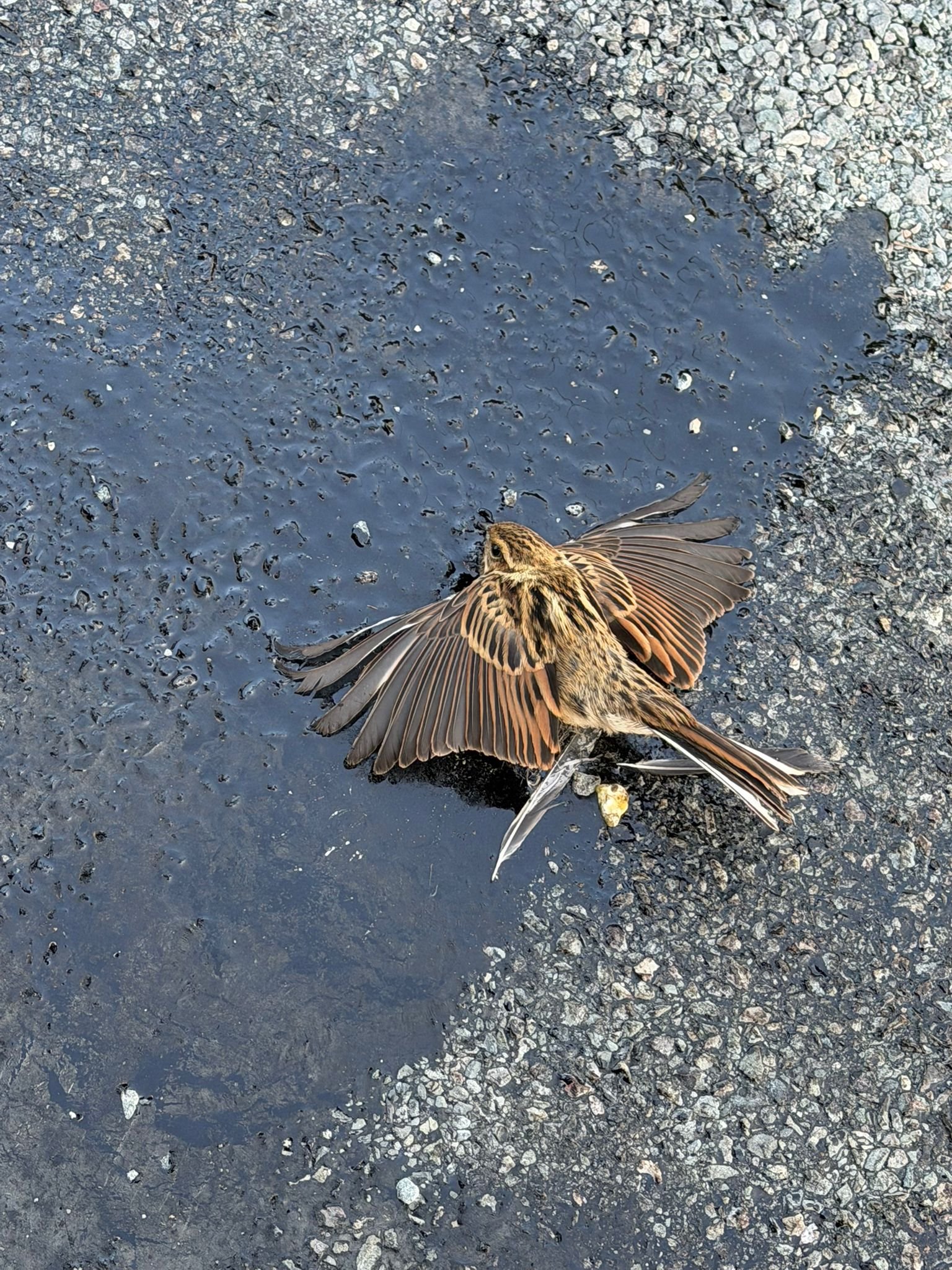
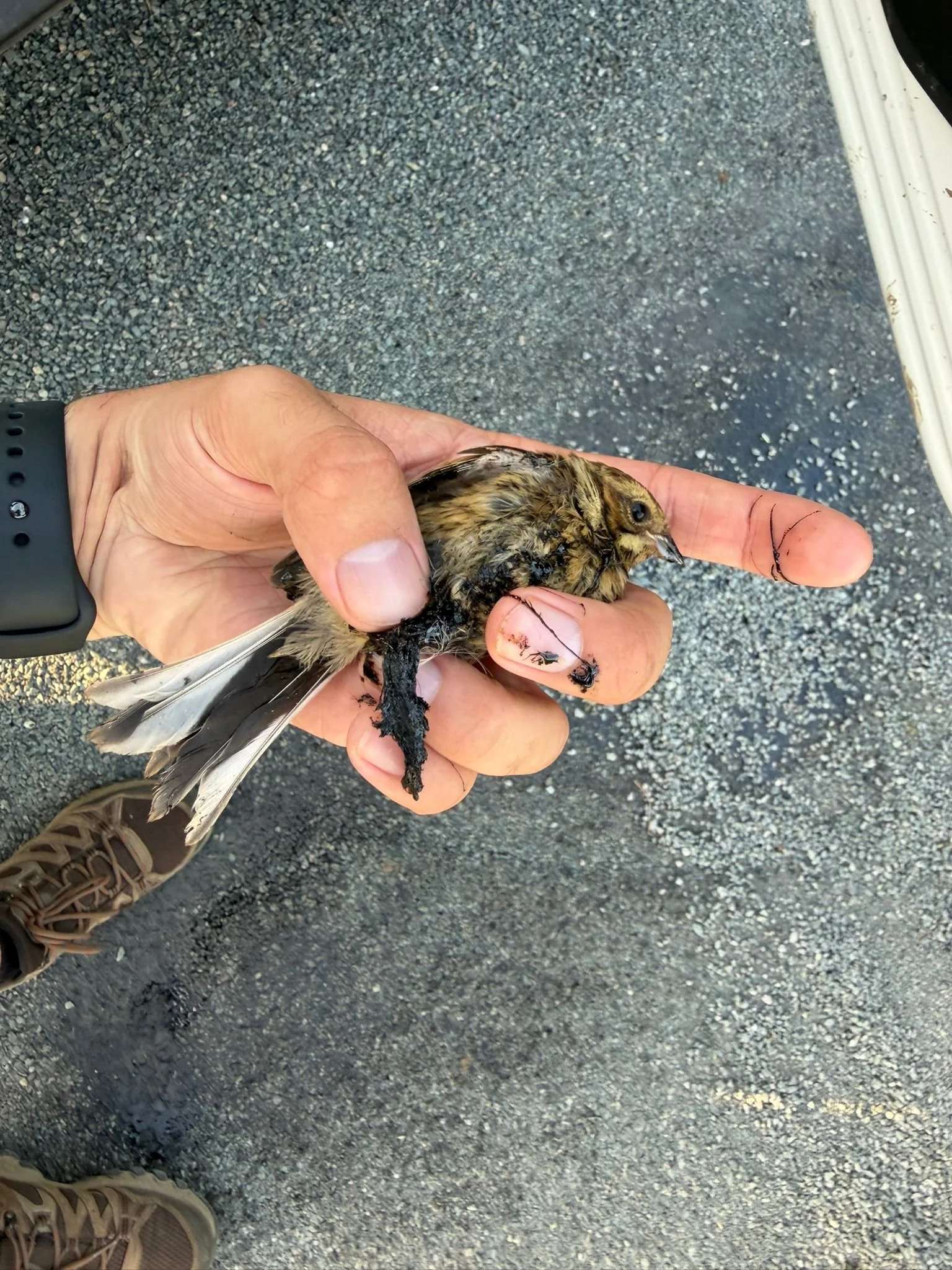
Birds are nesting at present, and heavily reliant on supplies of fresh water. During a recent dusk survey, one of our ornithologists encoutered a Reed Bunting that had become entrapped on tar on a road, which it presumablly believed to be water which resulted in some feather damage. Thankfully Josh Fusiara (a qualified/licenced bird ringer and experienced ornithologist) was on hand to provide care for the stricken bird resulting in a succesful release. His reward for this good deed…finding a pair of breeding Barn Owls in a natural nest site.
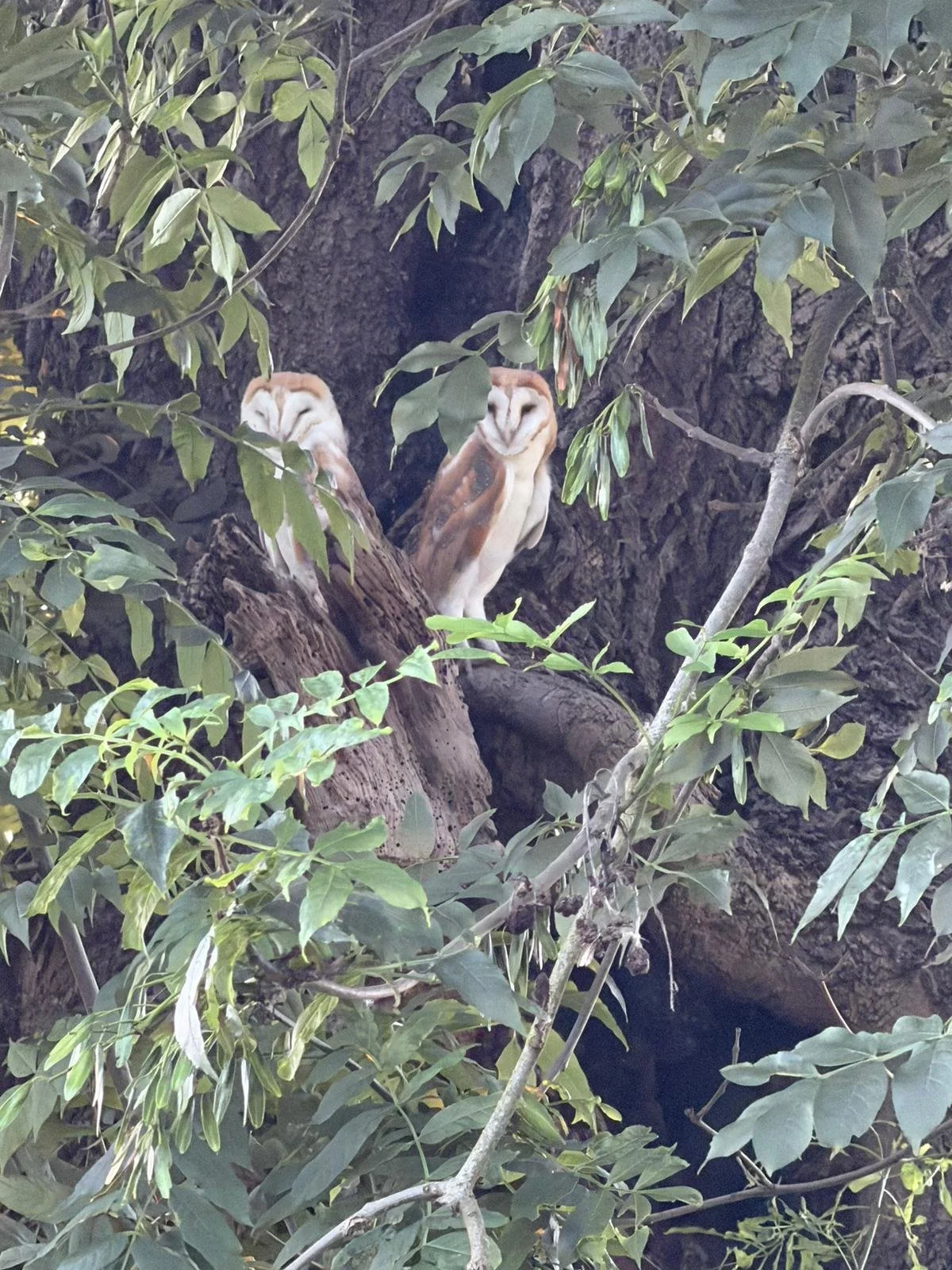
So, while the heat is tough for us, do spare a thought for our wildlife, there are plenty of things you can do to help:
If you have a garden provide a continuous source of clean, fresh water…rain water is best (if you have a water butt).
Provide mealworms, dried fruit or seeds for birds (and remember to regulalry clean feeding stations).
Water your gardens late in the day or early in the mornings.
Be alert for unwell wildlife and know where you local rescue centre is (although be mindful that recently fledged birds may appear in distress, although parents are usually nearby!)
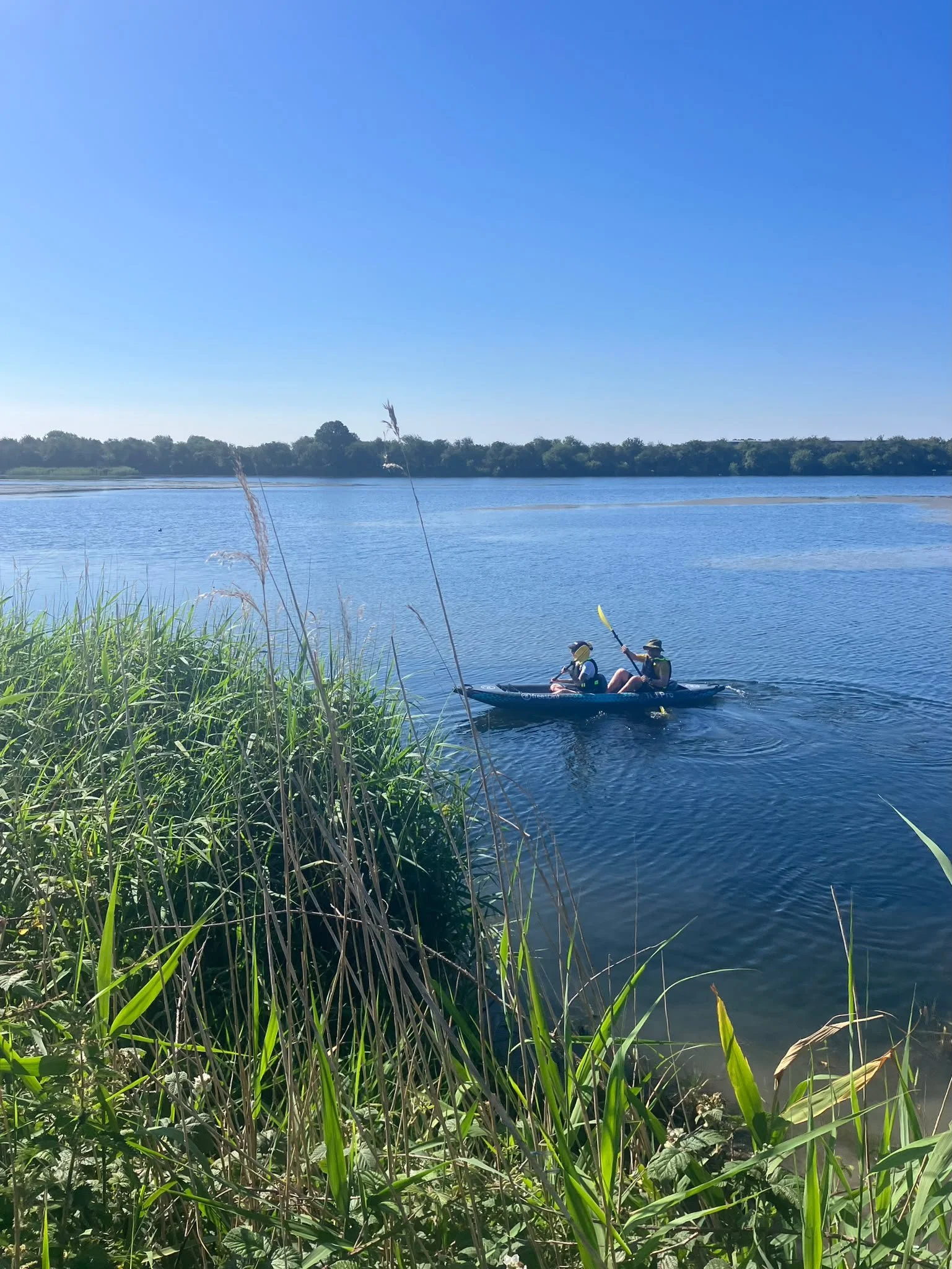
While most of our surveyors are battling with the heat, work is not all bad at the moment…a number of our team are completing a week of water based (kayak) surveys to assess the presence//likely absence of Water Voles. Perfect work in the current weather